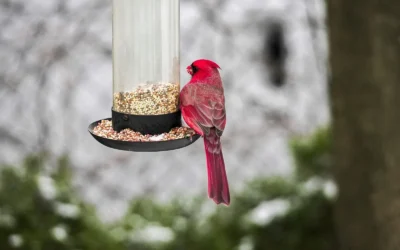
The Wagner’s 76027 Black Oil Sunflower Wild Bird Food is the best bird seed for winter for most backyards: the thin-shelled, high-energy seed attracts the widest range of feeder birds, and the 25 pound bag lasts through cold snaps.
The short answer
- For most backyards, Wagner’s Black Oil Sunflower is the one: thin shells, high energy and liked by many feeder birds.
- For less mess under the feeder, Kaytee No Mess Blend has no hulls to sweep up.
- For woodpeckers and nuthatches, add St. Albans Bay Suet Plus cakes.
- For goldfinches, fill a finch feeder with Wagner’s Nyjer Seed.
On a 10 degree morning a chickadee needs plenty of fat and calories to make it through the next night. That is when the feeder gets busy.
The seed you put out in winter matters more than at any other time of year: birds need fat and calories they can crack fast, not low-value filler that ends up on the ground.
Winter bird food should be high in fat and easy to eat. Black oil sunflower, peanuts, suet and Nyjer give birds the most energy per bite, while bargain mixes heavy in milo and red millet often get kicked to the ground by most feeder birds, though ground feeders like juncos and sparrows do eat millet.
We compared seed type, fat and energy, mess, feeder fit and owner feedback for wild bird foods sold in the United States, and checked species preferences against Cornell Lab of Ornithology guidance. We picked 6 winter bird foods.
We research and compare products, and we may earn a commission when you buy through links in this guide. As an Amazon Associate I earn from qualifying purchases.
Our Top Picks
 Best OverallWagner’s 76027 Black Oil Sunflower Wild Bird FoodThin-shelled, high-energy sunflower that attracts the widest variety of feeder birds, in a 25 pound bag.Jump to review
 Best BlendKaytee Nut and Fruit Wild Bird SeedSunflower, peanuts, tree nuts, raisins and cherries for a colorful mix of songbirds.Jump to review
 Best No-Filler MixLyric Supreme Wild Bird Seed MixOver 50 percent sunflower with nuts and corn, and no fillers (maker).Jump to review
 Best No-MessKaytee No Mess Wild Bird Seed BlendHulled sunflower, safflower and peanuts, so no hulls pile up under the feeder.Jump to review
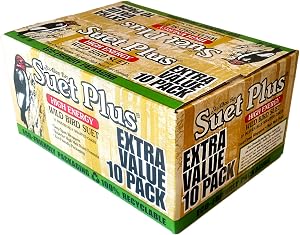 Best SuetSt. Albans Bay Suet Plus Variety PackA 10 pack of 11 oz high-energy suet cakes for woodpeckers, nuthatches and chickadees.Jump to review
 Best for FinchesWagner’s 62050 Nyjer Seed Wild Bird FoodTiny, oily Nyjer seed for goldfinches and siskins in a 10 pound bag.Jump to review
Best Picks by Climate Zone
Winter feeding needs change with how cold it gets. Find your zone on the USDA Plant Hardiness Zone Map.
| Your climate | USDA zones | Our pick | Why it fits |
|---|---|---|---|
| Deep cold, long winters | 3 to 4 | St. Albans Bay Suet Plus Variety Pack | Suet gives the most calories in subzero nights. |
| Cold, snowy winters | 5 to 6 | Wagner’s 76027 Black Oil Sunflower Wild Bird Food | Black oil sunflower feeds the most species. |
| Mild winters, many visitors | 7 to 8 | Kaytee Nut and Fruit Wild Bird Seed | A varied mix brings colorful songbirds. |
| Patios and decks anywhere | Any | Kaytee No Mess Wild Bird Seed Blend | No hulls to track inside or sweep up. |
In zones 7 and warmer, use suet labeled no-melt or melt-resistant, or switch to seed on warm days.
What Winter Birds Eat
| Bird | Favorite winter food | Feeder |
|---|---|---|
| Chickadees, titmice | Black oil sunflower, peanuts | Tube or hopper |
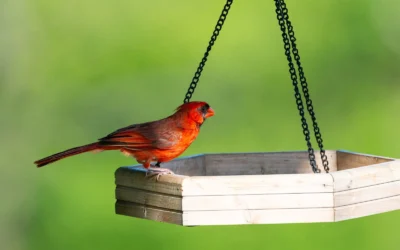
| Cardinals | Black oil sunflower, safflower | Hopper or platform |
| Woodpeckers, nuthatches | Suet, peanuts | Suet cage |
| Goldfinches, pine siskins | Nyjer, sunflower chips | Finch tube or sock |
| Juncos, sparrows | Millet, cracked corn | Ground or platform |
A Simple Refill Plan for a Cold Snap
| Weather | Bird activity | What to do |
|---|---|---|
| Above 32 F | Normal | Refill every few days |
| 10 to 32 F | Busy mornings and late afternoons | Refill daily; add suet |
| Below 10 F | Heavy all day | Fill twice a day; suet and sunflower |
| Snow or ice storm | Very heavy, food covered | Clear platforms, add a covered feeder |
The Best Bird Seeds for Winter, Reviewed
Best Overall
1. Wagner’s 76027 Black Oil Sunflower Wild Bird Food


As an Amazon Associate we earn from qualifying purchases.
What We Like
- Attracts the widest variety of birds (maker)
- Thin shells are easy for small beaks
- High energy content
What We Don’t Like
- Hulls collect under the feeder
- Squirrels love it too
If you only buy one winter food, make it black oil sunflower. Cornell Lab of Ornithology notes it attracts more feeder species than any other seed, and its thin shells and high oil content make it ideal in cold weather.
Put a tray or mulch under the feeder to catch hulls.
Skip it if: you feed on a deck and hate sweeping hulls; choose the no-mess blend.
Climate fit: Zones 3 to 8.
| Seed | Black oil sunflower |
|---|---|
| Bag | 25 lb |
| Shell | Thin |
| Energy | High |
| Feeders | Tube, hopper, platform |
| Brand | Wagner’s |
Best Blend
2. Kaytee Nut and Fruit Wild Bird Seed




As an Amazon Associate we earn from qualifying purchases.
What We Like
- Sunflower, peanuts, tree nuts and fruit
- Attracts colorful songbirds
- Small 5 lb bag stays fresh
What We Don’t Like
- Costs more per pound than plain sunflower
- Some pieces too big for tube feeders
Kaytee Nut and Fruit adds peanuts, nuts and dried fruit to sunflower, which brings in cardinals, jays and woodpeckers along with the usual chickadees.
Use a hopper or platform feeder so larger pieces fit.
Skip it if: you want a plain seed-only bag.
Climate fit: Zones 4 to 8.
| Type | Seed, nut and fruit blend |
|---|---|
| Bag | 5 lb |
| Includes | Sunflower, peanuts, raisins, cherries |
| Feeders | Hopper, platform |
| Energy | High |
| Brand | Kaytee |
Best No-Filler Mix
3. Lyric Supreme Wild Bird Seed Mix


As an Amazon Associate we earn from qualifying purchases.
What We Like
- Over 50 percent sunflower (maker)
- No fillers (maker)
- Nuts and corn for variety
- Sold in several bag sizes
What We Don’t Like
- Corn draws squirrels and blackbirds
- Some hulls
Lyric Supreme is a sunflower-heavy mix without the milo and filler that birds tend to toss. It suits mixed feeders that serve both songbirds and ground feeders.
Scatter a little on the ground for juncos and sparrows.
Skip it if: squirrels already rule your yard.
Climate fit: Zones 4 to 8.
| Type | Seed and nut mix |
|---|---|
| Sunflower | Over 50% (maker) |
| Filler | None (maker) |
| Includes | Corn, nuts, kernels |
| Feeders | Hopper, platform |
| Brand | Lyric |
Best No-Mess
4. Kaytee No Mess Wild Bird Seed Blend


As an Amazon Associate we earn from qualifying purchases.
What We Like
- No hulls, so less mess
- Safflower, peanuts and sunflower
- Less waste with no hulls
What We Don’t Like
- Higher cost per pound
- Hulled seed spoils faster when wet
Hulled seed costs more, but there are no hulls to pile up on the patio. That makes it the best choice for decks, balconies and feeders near the house.
Fill feeders with only a few days of seed at a time in wet weather.
Skip it if: you feed a lot of birds on a budget.
Climate fit: Zones 3 to 8.
| Type | Hulled blend |
|---|---|
| Bag | 9.75 lb |
| Includes | Safflower, peanuts, sunflower, millet |
| Mess | No hulls |
| Feeders | Tube, hopper |
| Brand | Kaytee |
Best Suet
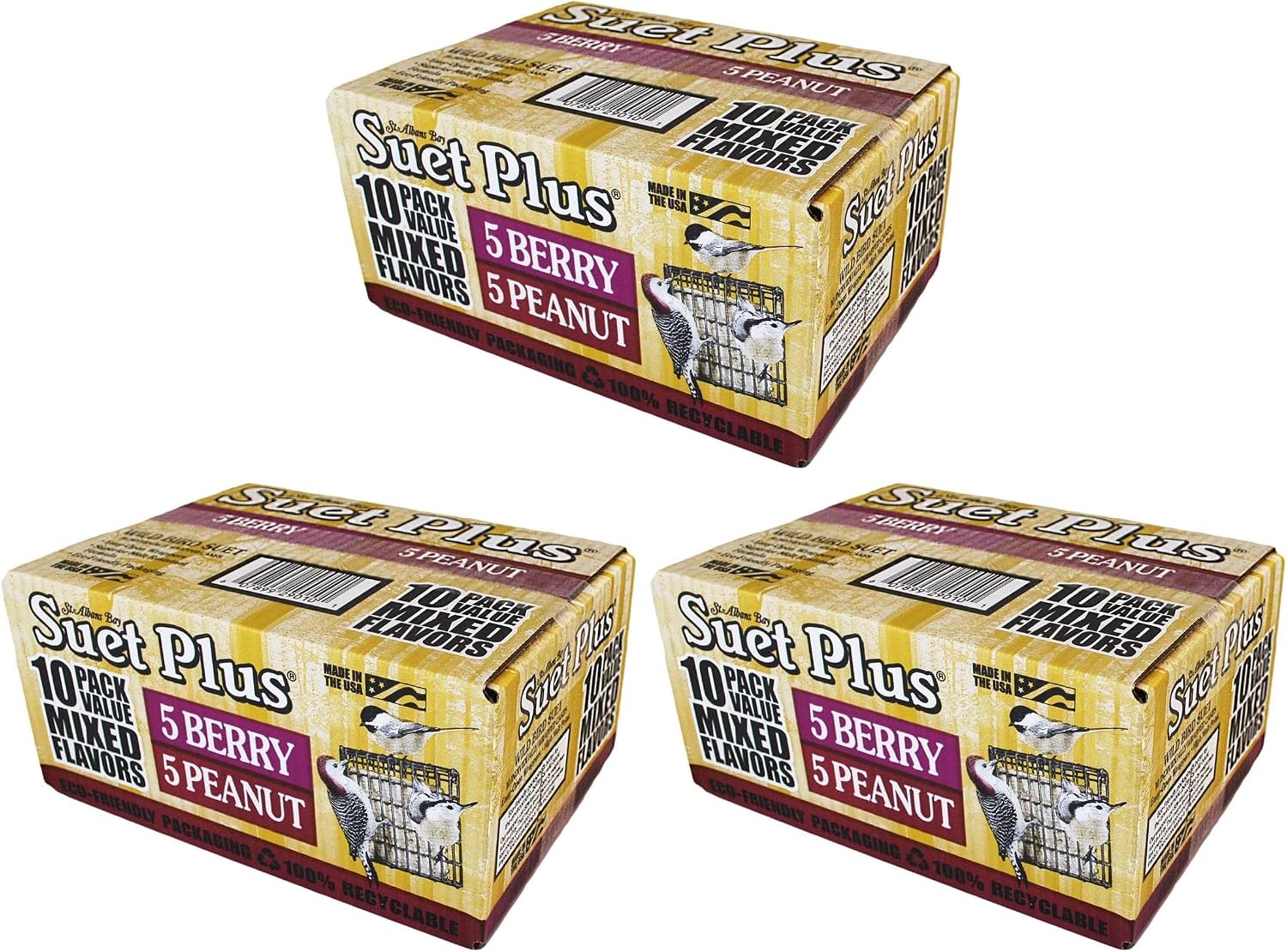
5. St. Albans Bay Suet Plus Variety Pack





As an Amazon Associate we earn from qualifying purchases.
What We Like
- High-energy suet cakes
- Melt-resistant formula (maker)
- Easy-open packaging
- Variety pack of 10
What We Don’t Like
- Needs a suet cage
- Starlings may crowd in
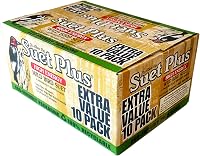
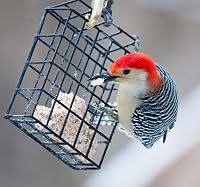
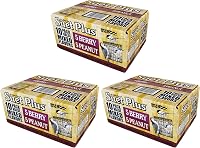
Suet is a high-fat food and one of the most energy-dense things you can offer in deep cold. Woodpeckers, nuthatches and chickadees will visit a suet cage all winter.
Hang the cage near a tree trunk where woodpeckers feel safe.
Skip it if: starlings take over your feeders; use an upside-down suet feeder.
Climate fit: Zones 3 to 7.
| Type | Suet cakes |
|---|---|
| Pack | 10 x 11 oz |
| Formula | Melt-resistant (maker) |
| Birds | Woodpeckers, nuthatches, chickadees |
| Feeder | Suet cage |
| Brand | St. Albans Bay |
Best for Finches
6. Wagner’s 62050 Nyjer Seed Wild Bird Food


As an Amazon Associate we earn from qualifying purchases.
What We Like
- Tiny, oily seed finches love
- Little waste
- 10 pound bag
What We Don’t Like
- Needs a finch feeder with small ports
- Goes stale if stored too long
Goldfinches stay all winter in much of the U.S., and Nyjer is their favorite. Its small size means other birds mostly ignore it, so finches get the feeder to themselves.
Buy only what you can use in a few months; old Nyjer goes stale.
Skip it if: you do not have a finch tube or sock feeder.
Climate fit: Zones 3 to 8.
| Seed | Nyjer |
|---|---|
| Bag | 10 lb |
| Birds | Goldfinches, siskins |
| Feeder | Finch tube or sock |
| Waste | Low |
| Brand | Wagner’s |
Bag Size Against Your Feeding Pace
This guide says to buy only what you will use in a few months. Taking a few months as 90 days, the table shows how fast each bag has to go to be finished while it is fresh.
| Pick | Bag (maker) | Ounces per day | Pounds per week |
|---|---|---|---|
| Wagner’s 76027 Black Oil Sunflower Wild Bird Food | 25 lb | 4.4 oz | 1.9 lb |
| Kaytee Nut and Fruit Wild Bird Seed | 5 lb | 0.9 oz | 0.4 lb |
| Kaytee No Mess Wild Bird Seed Blend | 9.75 lb | 1.7 oz | 0.8 lb |
| Wagner’s 62050 Nyjer Seed Wild Bird Food | 10 lb | 1.8 oz | 0.8 lb |
| St. Albans Bay Suet Plus Variety Pack | 10 x 11 oz | 1.2 oz | 0.5 lb |
If your feeders use less than the number in the table, buy the smaller bag or keep the seed in a metal can with a tight lid, as covered above. The suet works out to one cake every 9 days. Nyjer is the one to watch, since the guide warns that old Nyjer goes stale.
Compare the Best Bird Seeds for Winter
| Model | Food | Energy | Mess | Feeder | Size |
|---|---|---|---|---|---|
| Wagner’s Black Oil SunflowerBest Overall | Black oil sunflower | High | Hulls drop | Tube, hopper, platform | 25 lb |
| Kaytee Nut and FruitBest Blend | Seed, nut, fruit | High | Some hulls | Hopper, platform | 5 lb |
| Lyric Supreme MixBest No-Filler Mix | Seed and nut mix | High | Some hulls | Hopper, platform | Several sizes |
| Kaytee No Mess BlendBest No-Mess | Hulled blend | High | No hulls | Tube, hopper | 9.75 lb |
| St. Albans Bay Suet PlusBest Suet | Suet cake | Very high | Low | Suet cage | 10 cakes |
| Wagner’s Nyjer SeedBest for Finches | Nyjer | High | Low | Finch feeder | 10 lb |
Which Winter Bird Food Should You Buy?
If you buy just one food
Get Wagner’s Black Oil Sunflower.
If you want colorful variety
If you feed on a deck or patio
If you want woodpeckers
If you want goldfinches
Winter Feeding Tips
- Keep feeders full before storms. Birds feed heavily ahead of bad weather.
- Store seed in a metal can with a tight lid to keep out mice and moisture.
- Toss wet or moldy seed; clean feeders every two weeks.
- Offer water. A heated bird bath helps as much as food when everything is frozen.
- Keep feeding once you start during hard cold; birds come to rely on reliable spots.
What to Look For in Winter Bird Seed
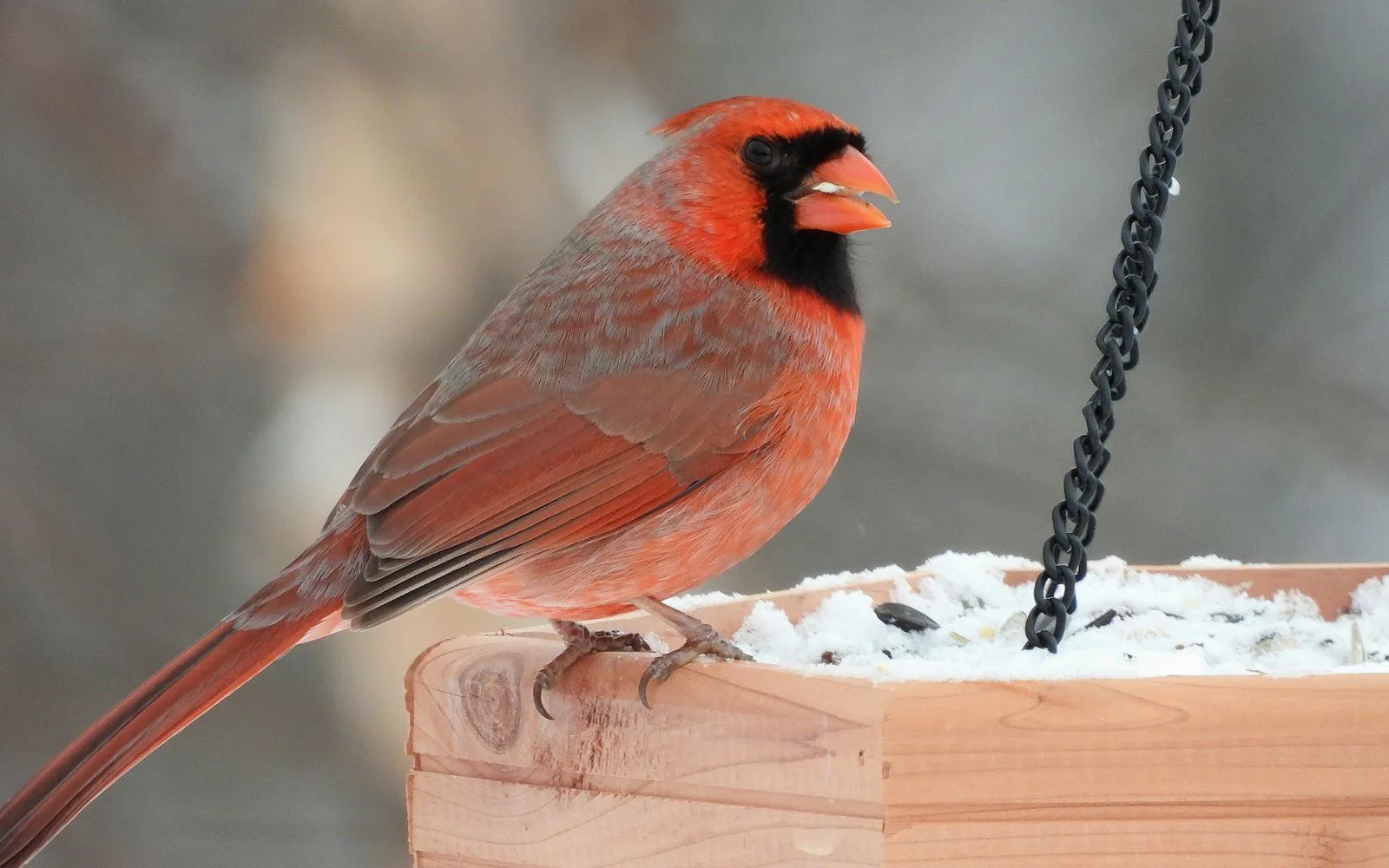
High fat
Sunflower, peanuts and suet beat millet and milo.
Little filler
Check the first ingredients.
Mess
Hulled seed costs more but leaves no hulls.
Feeder fit
Match seed size to feeder ports.
Freshness
Buy what you use in a few months.
How We Chose These Picks
We do not run a test garden. We compared seed type, energy, mess, feeder fit and patterns in owner feedback for wild bird foods sold in the United States, and checked bird preferences against Cornell Lab of Ornithology and National Audubon Society guidance.
We picked 6 winter bird foods for different birds and feeders.
Why Trust Garden Guide US
We compare garden gear for American yards using manufacturer specifications, product manuals, warranty terms, cooperative extension guidance and patterns in owner feedback. We do not run a test garden, and every claim comes from a maker, a manual, an extension service or owner feedback. Every guide notes which USDA zones and conditions each pick suits. Read how we review.
Final Verdict
For most backyards, Wagner’s 76027 Black Oil Sunflower Wild Bird Food is the one to buy.
Shopping for more than one piece of gear? Our Backyard Birds and Outdoor Living buying guides page groups every guide in this category, and readers who land here often compare the best bird feeder for winter and the best bird feeder for cardinals next.
Add suet for woodpeckers when it gets really cold, keep feeders full before storms, and offer open water if you can.
Frequently Asked Questions
What is the best bird seed for winter?
Black oil sunflower, plus suet in deep cold. Wagner’s 76027 Black Oil Sunflower has thin shells and high energy, and it attracts the widest variety of feeder birds (maker). When nights drop well below freezing, add St. Albans Bay Suet Plus cakes for extra calories.
Do birds need suet in winter?
It helps a lot. Suet is a high-energy food, and woodpeckers, nuthatches and chickadees visit a suet cage all winter. The St. Albans Bay Suet Plus Variety Pack comes with 10 cakes, and hanging the cage near a tree trunk helps woodpeckers feel safe.
Is bargain bird seed worth it?
Often not. Mixes heavy in milo and red millet often get tossed to the ground, so you end up paying for seed that gets wasted. A mix like Lyric Supreme, which lists over 50 percent sunflower and no fillers (maker), is a better bet. Check the first ingredients on any bag.
Should I feed birds all winter?
Yes, if you can keep it up, especially in storms and cold snaps. Birds feed heavily ahead of bad weather, so fill feeders before it hits. Below 10 F, consider filling twice a day with suet and sunflower, and offer open water if you can.
How do I keep bird seed dry?
Use covered feeders and store seed in a metal can. A tight lid also keeps out mice and moisture. Toss wet or moldy seed and clean feeders every two weeks. In wet weather, put out only a few days of Kaytee No Mess Blend at a time, since hulled seed spoils faster when wet.
Can I use no-melt suet in winter?
Yes, and it is the better choice in mild-winter zones. In zones 7 and warmer, use suet labeled no-melt or melt-resistant, or switch to seed on warm days. St. Albans Bay Suet Plus has a melt-resistant formula (maker), and our guide fits it to zones 3 to 7.
Sources and Further Reading
- Feeding Birds: a Quick Guide to Seed Types, Cornell Lab of Ornithology
- The Audubon Guide to Winter Bird Feeding, National Audubon Society
- Garden for Wildlife, National Wildlife Federation
- Birds, National Park Service
- USDA Plant Hardiness Zone Map, USDA Agricultural Research Service
- Washing Bird Feeders, Clemson University Home & Garden Information Center