The Select Cedar Raised Garden Bed 4 x 8 x 17.5 in is the best raised bed for vegetables for most gardens: untreated western red cedar, 17.5 inches of depth that suits nearly every crop, 46.7 cubic feet of soil and bolt-together assembly, made in the USA (maker).
Raised beds are one of the easiest ways to grow more vegetables. Loose soil warms earlier in spring, drains well after rain and lets roots spread without fighting compacted ground.
The best bed depends on what you grow. Tomatoes, potatoes and carrots need depth, while lettuce and herbs thrive in shallow, easy-to-reach planters. We compared soil depth, size, material, access and owner feedback for raised beds sold in the United States. We picked 7 raised garden beds for vegetables.
We research and compare products, and we may earn a commission when you buy through links in this guide. As an Amazon Associate I earn from qualifying purchases.
Our Top Picks
 Best OverallSelect Cedar Raised Garden Bed 4 x 8 x 17.5 inUntreated western red cedar with 17.5 in of depth, 46.7 cubic feet of soil and bolt-together assembly, made in the USA (maker).Jump to review
 Best Wood AlternativeSPECRAFT 8×4 Ft Wood Raised Garden Bed 15 InchA fir bed with an open base, a central divider and 44 cubic feet of planting space, set up without tools (maker).Jump to review
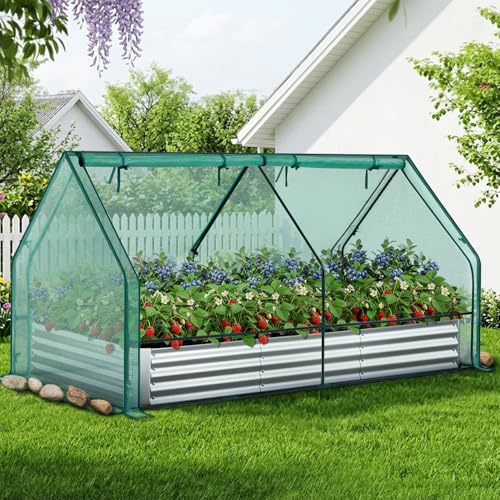
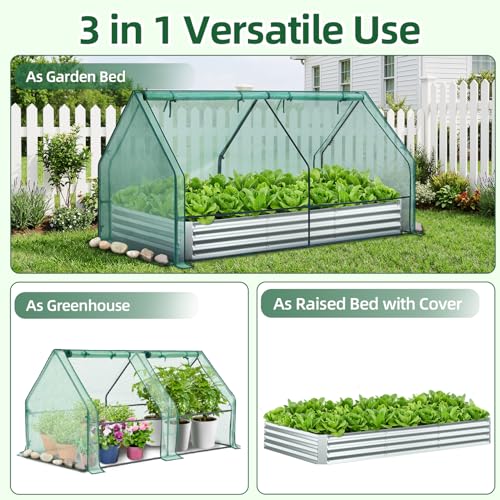
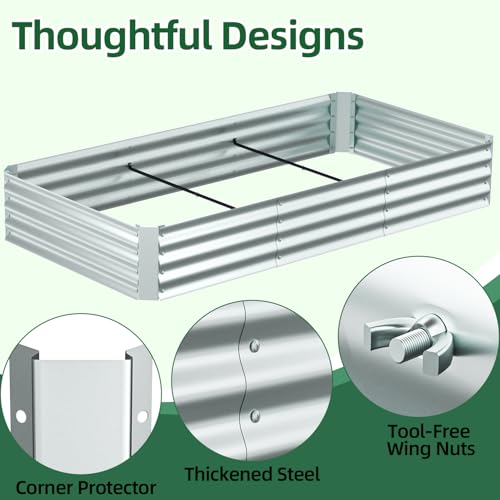
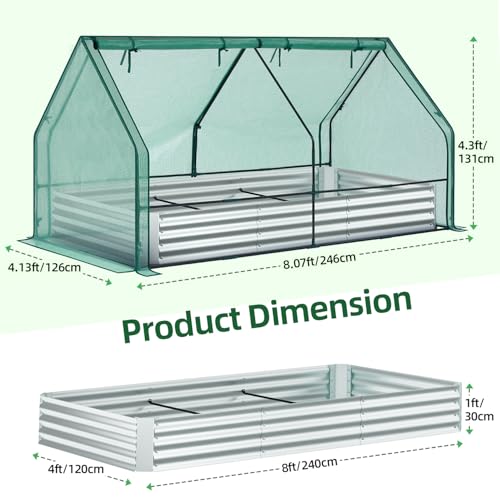
 Best for Season ExtensionOhuhu 8x4x1 ft Raised Bed with CoverA galvanized bed with a detachable PE greenhouse cover and 4 zippered doors for early and late crops.Jump to review
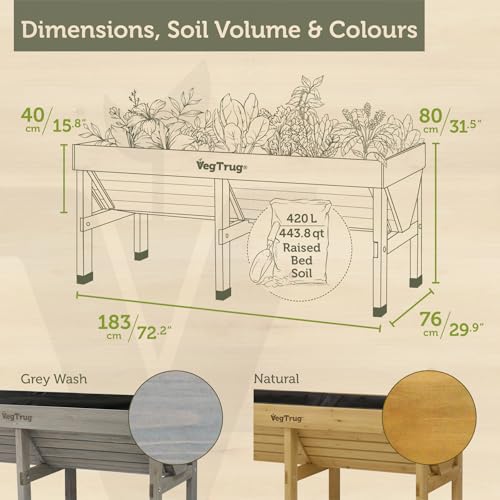
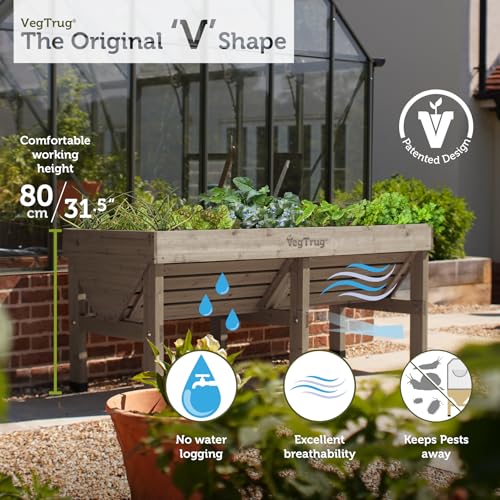
 Best ElevatedVegTrug Classic Medium Raised BedA V-shaped cedar planter at standing height, deepest in the middle for roots and shallow at the sides for herbs.Jump to review
 Best for PatiosElevated Mobile Raised Garden Bed with WheelsA 31.5 in tall powder-coated steel cart that holds 400 lb of soil and rolls to follow the sun.Jump to review
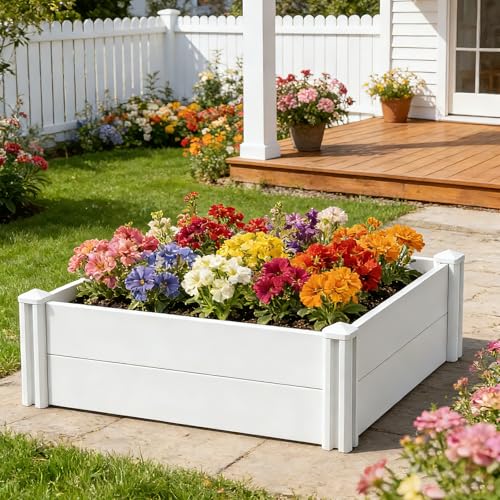
 Best Rot-Free Vinyl8×4 ft Vinyl Raised Garden BedScrewless white vinyl panels that will not rot, rust or fade, with an open bottom.Jump to review
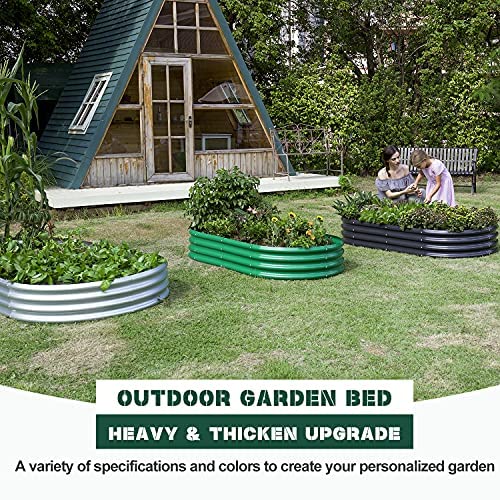
 Best Starter SetLand Guard 2-Pack 4x2x1 ft Oval Raised BedsTwo galvanized oval beds that set up in about 5 minutes each, so you can rotate crops between them.Jump to review
Best Picks by Climate Zone
Planting dates follow your climate. Check your zone on the USDA Plant Hardiness Zone Map, then match the bed to your crops and season.
| Your climate | USDA zones | Our pick | Why it fits |
|---|---|---|---|
| Short seasons | 3 to 5 | Ohuhu 8x4x1 ft Raised Bed with Cover | The cover warms soil early and protects late crops from frost. |
| Four seasons | 6 to 7 | Select Cedar Raised Garden Bed 4 x 8 x 17.5 in | 17.5 in of depth fits almost any crop in untreated cedar. |
| Hot summers | 8 to 10 | SPECRAFT 8×4 Ft Wood Raised Garden Bed 15 Inch | A large soil volume dries out more slowly between waterings. |
| Patios and balconies | Any | Elevated Mobile Raised Garden Bed with Wheels | Rolls into sun or shade as the season changes. |
Most vegetables need 6 to 8 hours of direct sun. Place beds in the sunniest spot you have, close to a water source.
Depth by Crop
Most crop failures in raised beds come from beds that are too shallow for the roots. Match the depth to what you plan to grow.
| Crop group | Root depth to plan for | Bed height that works |
|---|---|---|
| Lettuce, spinach, radish | 6 to 8 in | 8 to 11 in |
| Peppers, bush beans, herbs | 12 in | 12 to 17 in |
| Tomatoes, squash, cucumbers | 18 in | 17 to 24 in |
| Carrots, parsnips, potatoes | 18 to 24 in | 24 in or open to the ground |
In this guide, the Select Cedar bed at 17.5 inches covers peppers, tomatoes and squash. For carrots, parsnips and potatoes at 18 to 24 inches, plant deeper than 17.5 inches or in the ground; the VegTrug is deepest in the middle of its V-shaped trough.
Best Raised Garden Beds for Vegetables Reviewed
Best Overall
1. Select Cedar Raised Garden Bed 4 x 8 x 17.5 in

As an Amazon Associate we earn from qualifying purchases.
What We Like
- 100% natural western red cedar (maker)
- 17.5 in depth suits most vegetables
- Pre-cut, pre-drilled, bolt-together assembly (maker)
- No pressure treating or added chemicals (maker)
What We Don’t Like
- Wood weathers and will need replacing eventually
Penn State Extension advises untreated wood and estimates cedar may last 10 or more years. At 4 x 8 feet and 17.5 inches deep this bed holds about 46.7 cubic feet of soil, enough for tomatoes, peppers and most root crops.
Leave it unfinished to age naturally, or paint or stain it, per the maker.
Skip it if: you want a bed that will never rot.
Climate fit: All zones.
| Size | 4 x 8 ft x 17.5 in |
|---|---|
| Capacity | 46.7 cu ft (maker) |
| Wood | Western red cedar |
| Treatment | None |
| Assembly | Bolt together |
| Made in | USA |
Best Wood Alternative
2. SPECRAFT 8×4 Ft Wood Raised Garden Bed 15 Inch

As an Amazon Associate we earn from qualifying purchases.
What We Like
- 44 cubic feet of planting space, 15 in deep (maker)
- Open base for drainage
- Central divider keeps crops organized
- Tool-free mortise and tenon assembly, about 15 minutes (maker)
What We Don’t Like
- Fir, not cedar
- Heavy wood needs a level spot
SPECRAFT builds this 8 x 4 ft bed from fir with a central divider and an open base, so it drains and gives roots 15 inches to spread. It goes together without tools in about 15 minutes, per the maker.
Keep the bed on level ground so the joints stay tight.
Skip it if: you want the longest-lasting material; choose steel.
Climate fit: All zones.
| Size | 8 x 4 ft x 15 in |
|---|---|
| Capacity | 44 cu ft (maker) |
| Wood | Fir |
| Base | Open |
| Divider | Central |
| Assembly | Tool-free |
Best for Season Extension
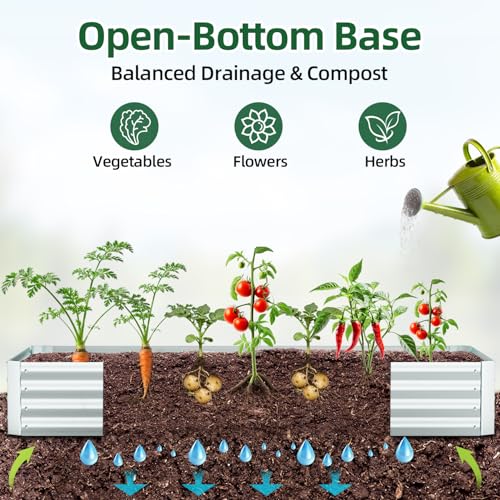
3. Ohuhu 8x4x1 ft Raised Bed with Cover




As an Amazon Associate we earn from qualifying purchases.
What We Like
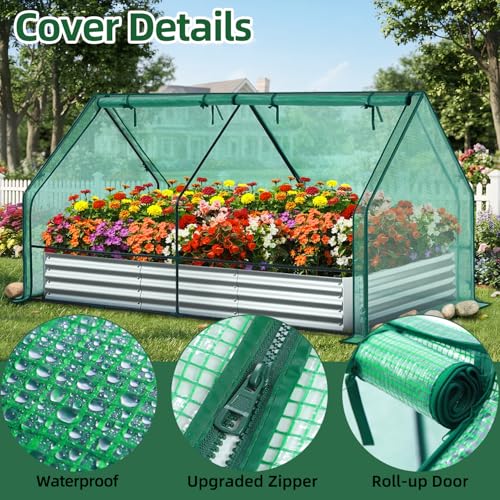
- Detachable greenhouse cover
- 4 zippered doors for airflow and access
- Sloped roof sheds rain and snow
- Galvanized steel bed
What We Don’t Like
- 12 in depth is shallow for deep roots
- Cover needs weighting in wind
Ohuhu pairs an 8 x 4 ft bed with a walk-over cover, so you can sow lettuce, spinach and peas weeks earlier and harvest later into fall.
Use the bed alone in summer, then put the cover back on when nights turn cool.
Climate fit: Zones 3 to 7 for season extension.
Skip it if: either of these is a deal-breaker for you: 12 in depth is shallow for deep roots; cover needs weighting in wind.
Climate fit: Zones 3 to 7 for season extension.
| Size | 8 x 4 x 1 ft |
|---|---|
| Bed | Galvanized steel |
| Cover | PE with 4 zip doors |
Best Elevated
4. VegTrug Classic Medium Raised Bed




As an Amazon Associate we earn from qualifying purchases.
What We Like
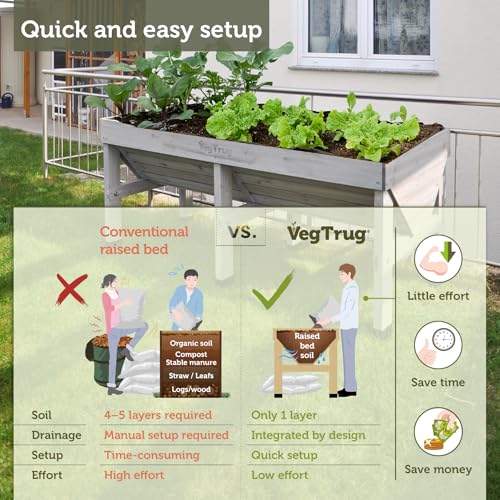
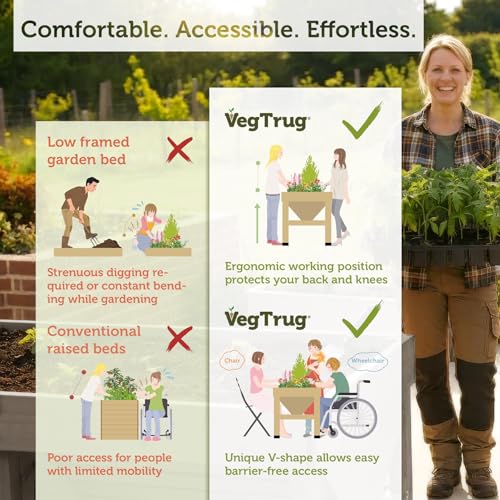
- Standing height, no kneeling
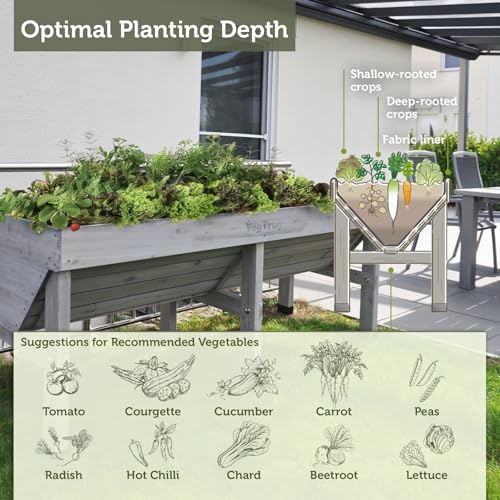
- V-shape gives deep soil in the center
- Cedar wood
- Biodegradable liner
What We Don’t Like
- Holds less than a ground bed
- Needs regular watering
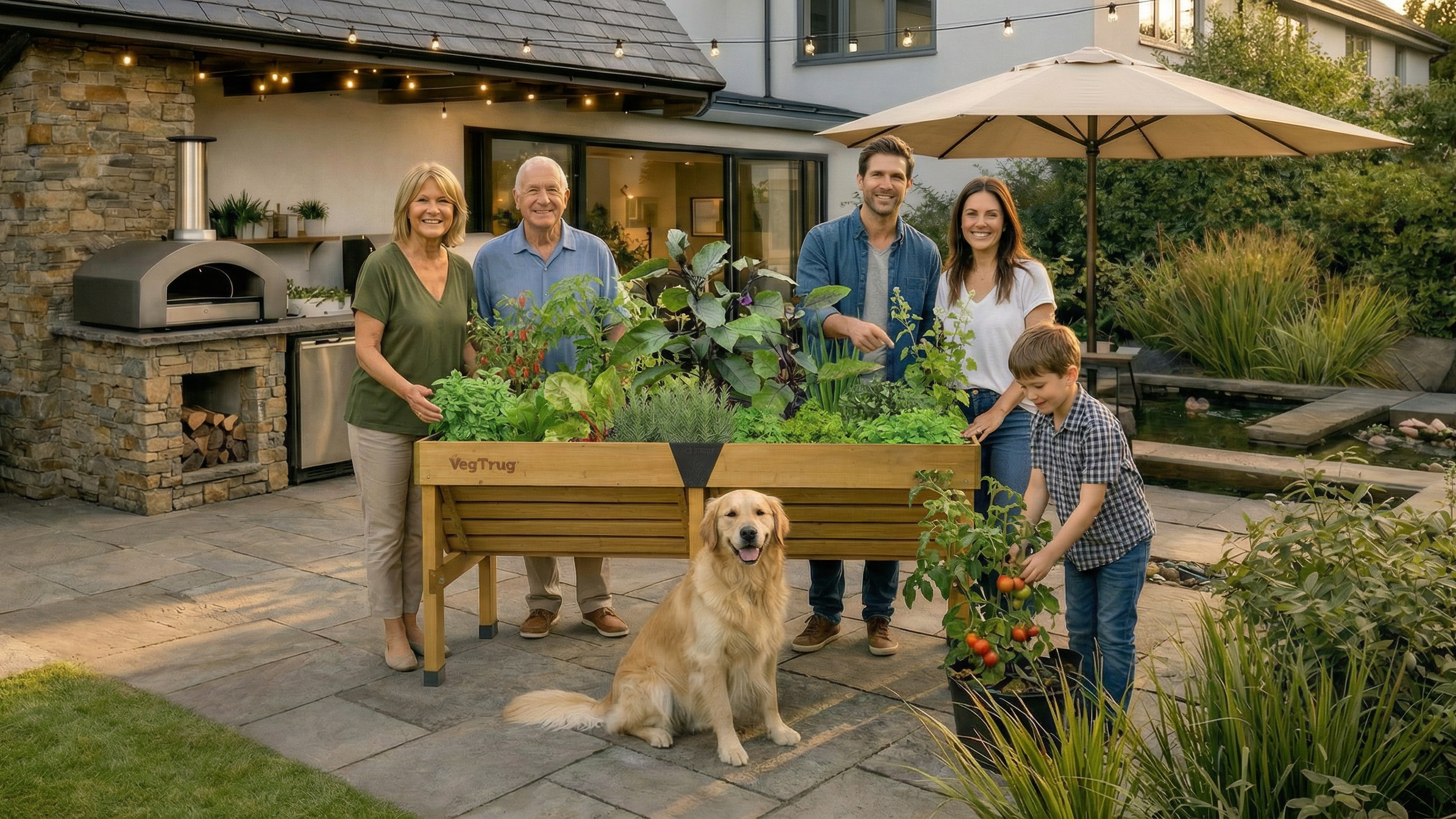
VegTrug designed its planter for people who want to garden without bending. The V-shape puts deeper soil in the middle for carrots or beets and shallow soil at the edges for lettuce and herbs.
It fits patios and small yards and is one of the best-known elevated planters.
Climate fit: All zones.
Skip it if: either of these is a deal-breaker for you: holds less than a ground bed; needs regular watering.
Climate fit: All zones.
| Length | 1.8 m (about 6 ft) |
|---|---|
| Wood | Cedar |
| Shape | V-shaped trough |
Best for Patios
5. Elevated Mobile Raised Garden Bed with Wheels


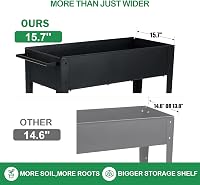
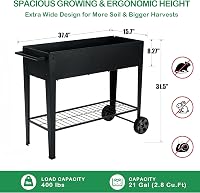


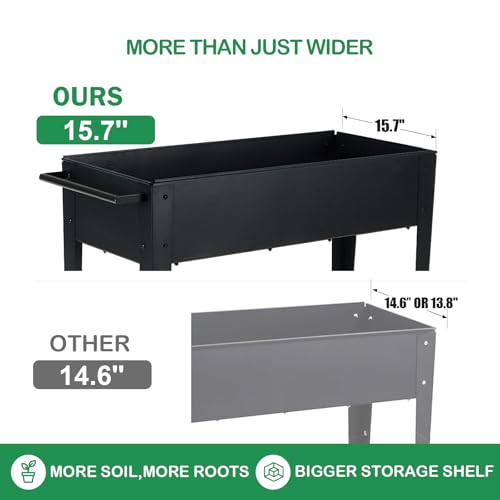
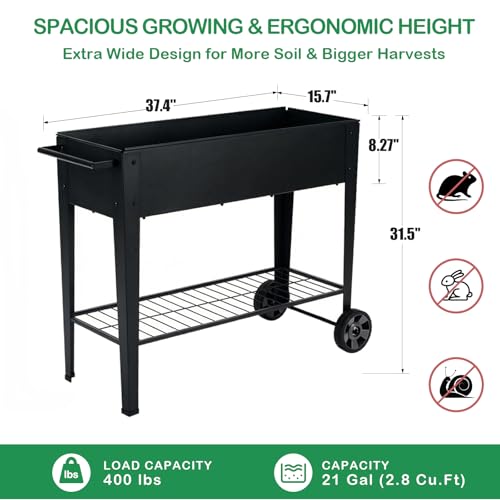
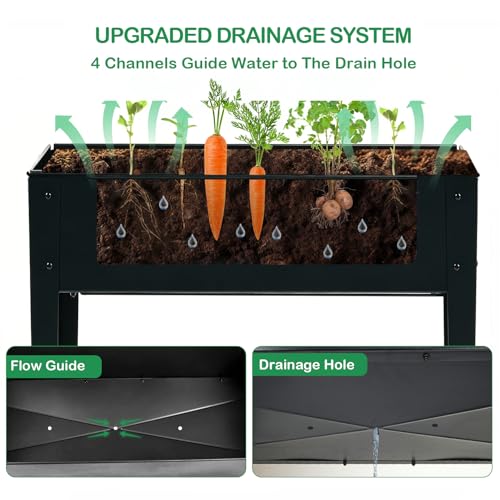


As an Amazon Associate we earn from qualifying purchases.
What We Like
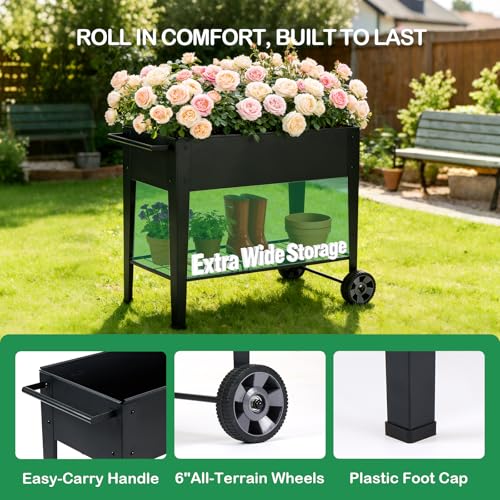
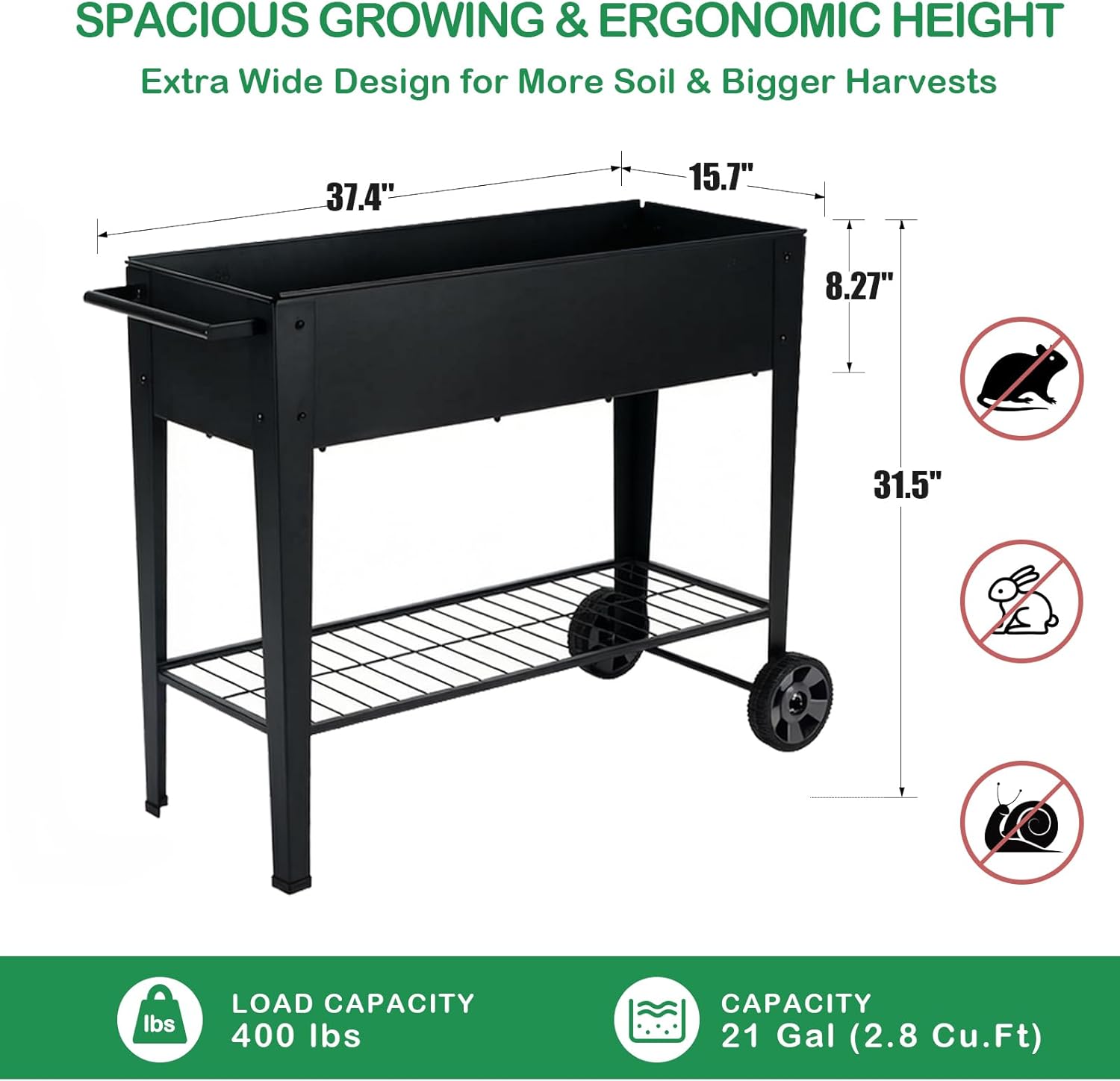
- Holds 400 lb of soil, per the maker
- Rolls on wheels
- Storage shelf below
- 31.5 in standing height
What We Don’t Like
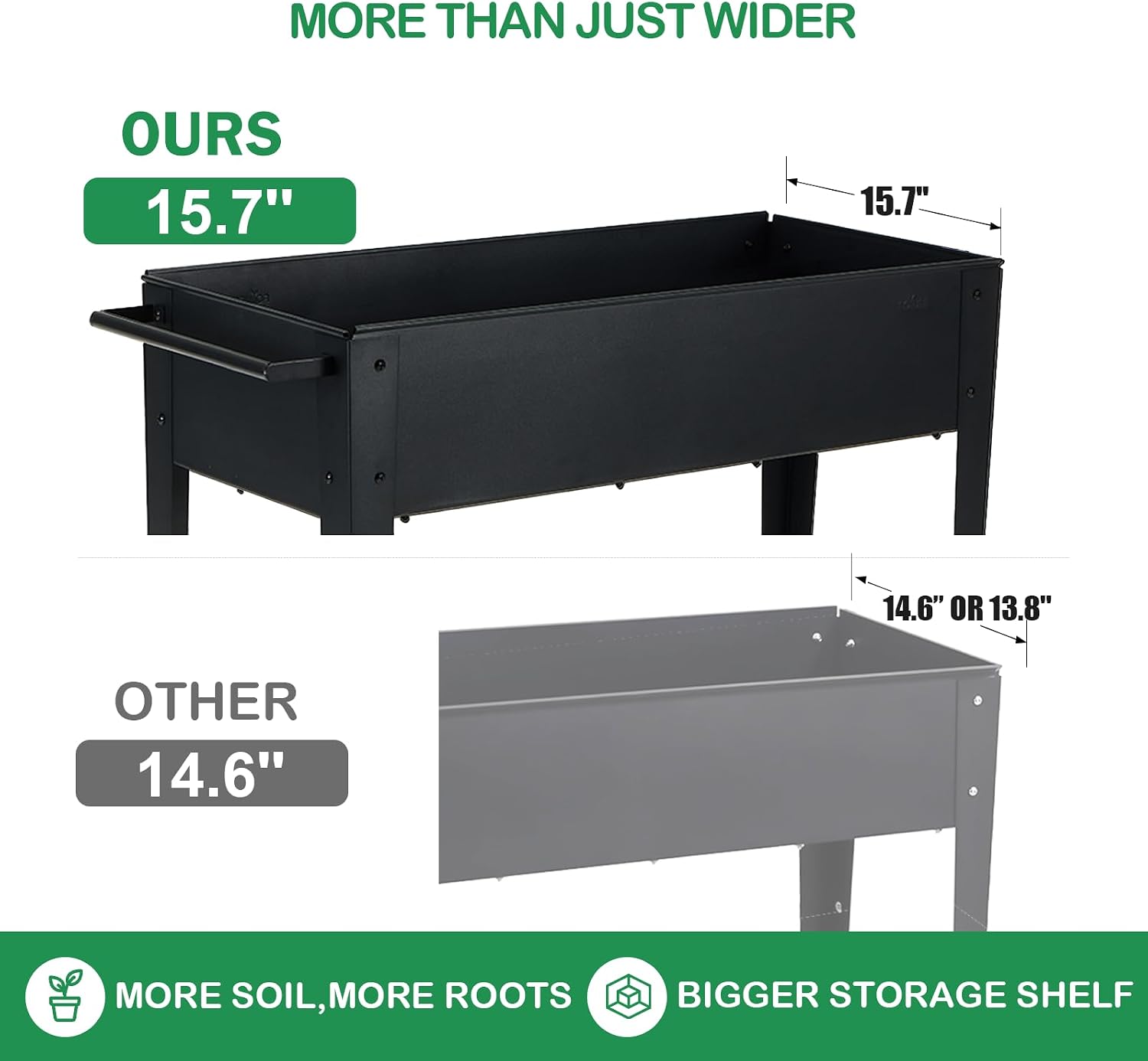
- Only about 8 in deep
- Small growing area
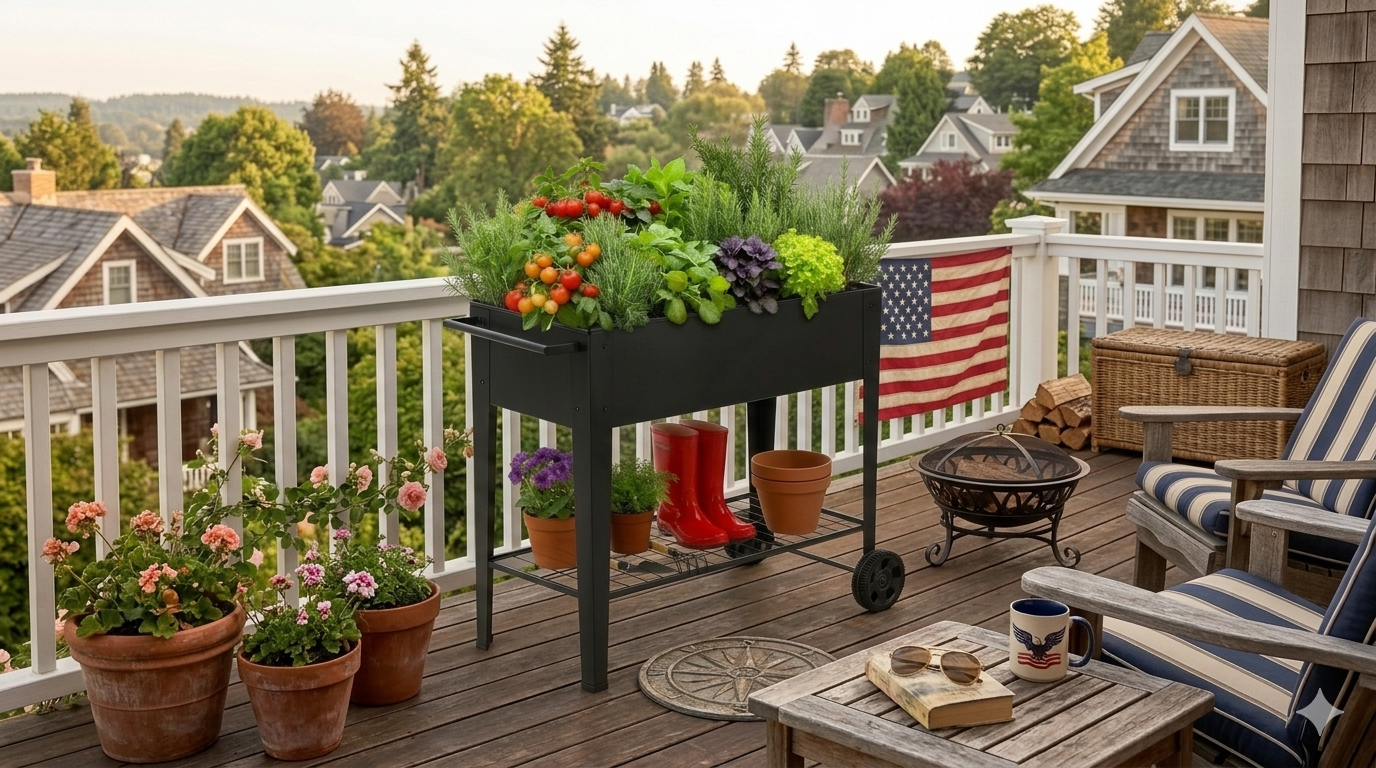
This mobile bed is ideal for herbs, lettuce and strawberries on a patio. Roll it into sun in spring and partial shade in the heat of summer.
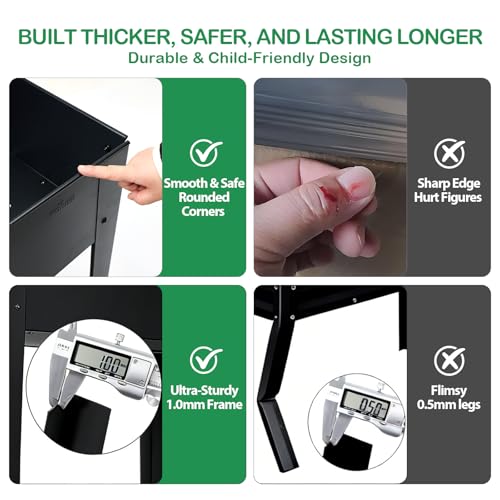
Its powder-coated steel resists rust, and the lower shelf holds tools and pots.
Climate fit: All zones.
Skip it if: either of these is a deal-breaker for you: only about 8 in deep; small growing area.
Climate fit: All zones.
| Box | 37.4 x 15.7 x 8.27 in |
|---|---|
| Height | 31.5 in |
| Load | 400 lb (maker) |
| Material | Powder-coated galvanized steel |
Best Rot-Free Vinyl
6. 8×4 ft Vinyl Raised Garden Bed






As an Amazon Associate we earn from qualifying purchases.
What We Like
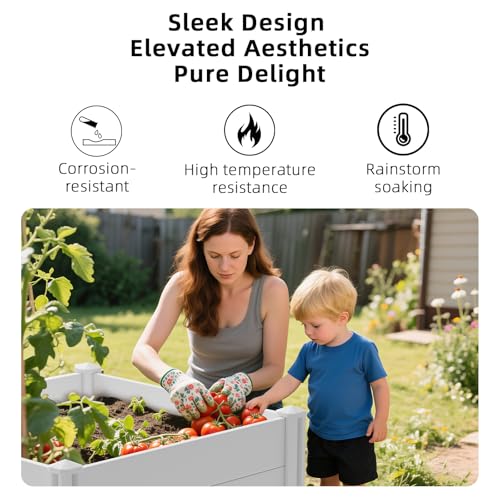
- Vinyl will not rot or rust
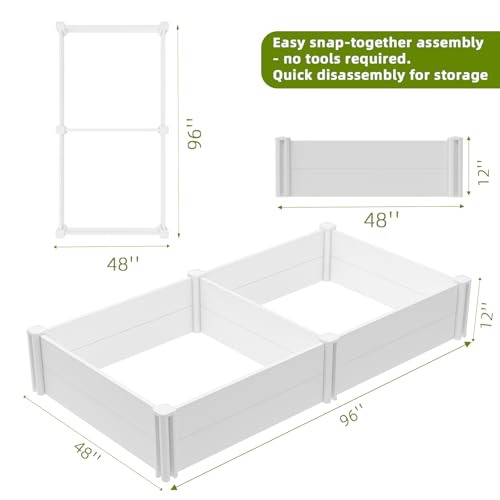
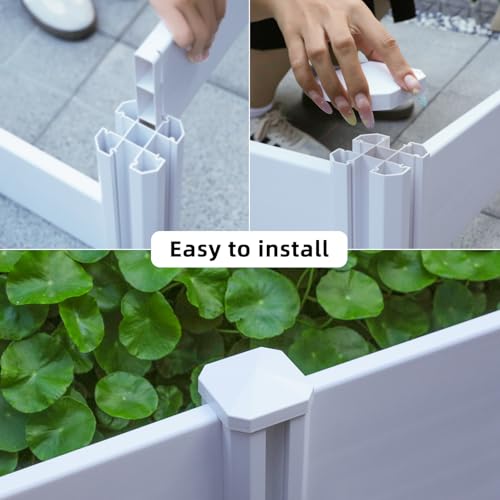
- Screwless modular panels
- UV-protected
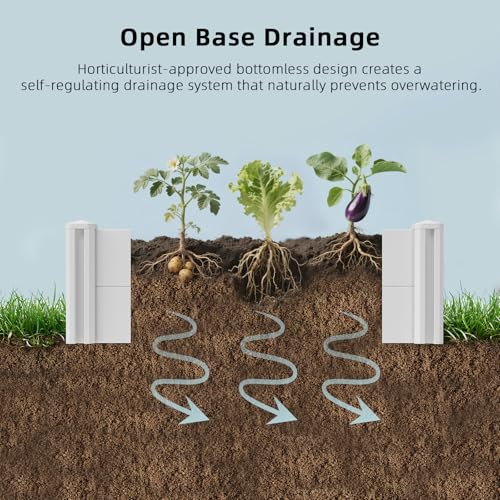
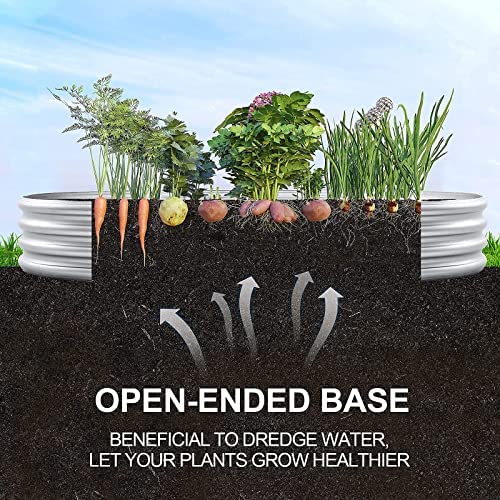
- Open bottom
What We Don’t Like
- White vinyl shows dirt
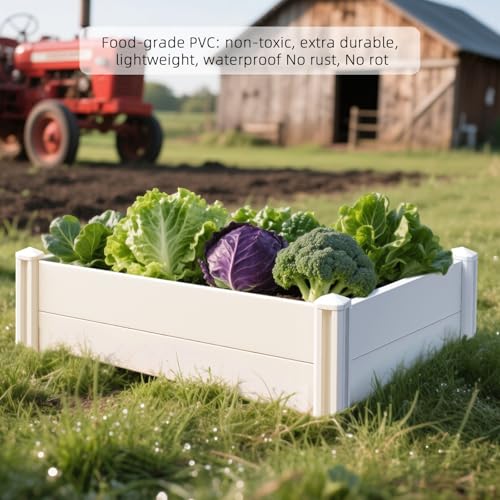
Vinyl beds are a newer option for gardeners who want a clean look without wood rot or metal heat. This 8 x 4 ft bed slots together without screws.
It suits buyers who value low upkeep.
Climate fit: All zones.
Skip it if: white vinyl shows dirt.
Climate fit: All zones.
| Size | 8 x 4 ft x 12 in |
|---|---|
| Material | Vinyl (PVC) |
| Bottom | Open |
Best Starter Set
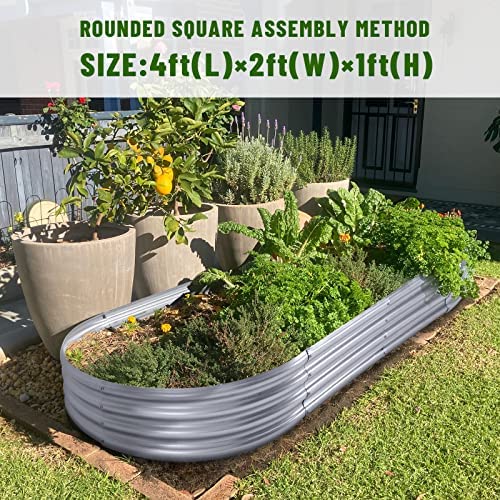
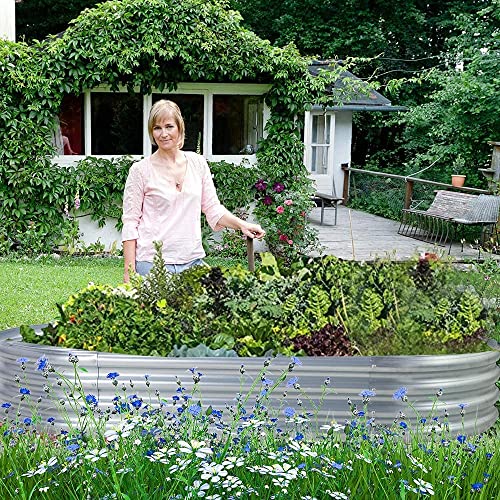
7. Land Guard 2-Pack 4x2x1 ft Oval Raised Beds

As an Amazon Associate we earn from qualifying purchases.
What We Like
- 2 beds in one box
- About 5 minutes to assemble each, per the maker
- Oval shape is strong at the joints
- Easy crop rotation
What We Don’t Like
- 12 in depth
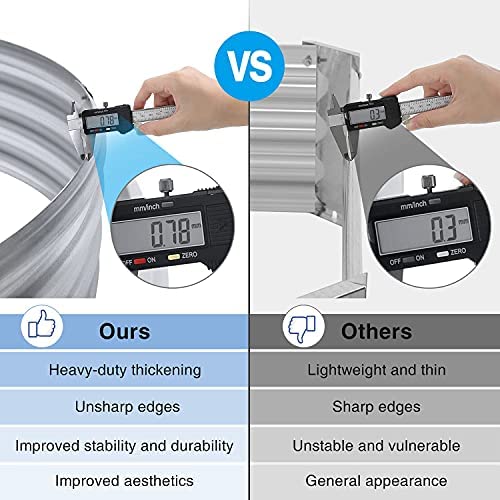
- Thin steel compared with premium beds
Two smaller beds make it easy to rotate crops each year and to separate tomatoes from greens. Each oval goes together in about 5 minutes, per the maker.
They are a quick way to start a vegetable garden.
Climate fit: All zones.
Skip it if: either of these is a deal-breaker for you: 12 in depth; thin steel compared with premium beds.
Climate fit: All zones.
| Size | 2 beds, 4 x 2 x 1 ft |
|---|---|
| Volume | About 7 cu ft each |
| Material | Q195 galvanized steel |
Compare the Best Raised Garden Beds for Vegetables
| Model | Size | Material | Depth | Best crops | Base |
|---|---|---|---|---|---|
| Select Cedar 4x8x17.5Best Overall | 4 x 8 ft | Cedar | 17.5 in | Most vegetables | Ground |
| SPECRAFT 8×4 Wood BedBest Wood Alternative | 8 x 4 ft | Fir wood | 15 in | Tomatoes, lettuce | Ground |
| Ohuhu 8×4 with CoverBest for Season Extension | 8 x 4 ft | Galvanized steel | 12 in | Greens, early crops | Ground |
| VegTrug Classic MediumBest Elevated | 1.8 m (about 6 ft) | Cedar | V-shaped | Salads, herbs | Legs |
| Mobile Bed with WheelsBest for Patios | 37.4 x 15.7 in | Coated steel | 8.27 in | Herbs, greens | Wheels |
| Vinyl 8×4 BedBest Rot-Free Vinyl | 8 x 4 ft | Vinyl (PVC) | 12 in | Most vegetables | Ground |
| Land Guard 2-Pack OvalBest Starter Set | 2 beds, 4 x 2 ft | Galvanized steel | 12 in | Peppers, greens, herbs | Ground |
Which Raised Bed for Vegetables Should You Buy?
If you want one bed for nearly everything
Get the Select Cedar 4x8x17.5.
If you grow potatoes, carrots or big tomatoes
The Select Cedar is the deepest pick, and the VegTrug is deepest in the middle.
If you want earlier and later harvests
The Ohuhu 8×4 with Cover works like a small greenhouse.
If you want to garden standing up
Choose the VegTrug Classic Medium or the Mobile Bed with Wheels.
If you are just starting
The Land Guard 2-Pack Oval is easy to set up.
First-Season Checklist
- Fill with a mix of about 60% topsoil and 40% compost, not bagged potting mix alone.
- Expect the soil to settle 1 to 2 inches in the first month; top it up before planting.
- Run drip line or a soaker hose before you plant, not after.
- Leave at least 24 inches between beds for a wheelbarrow.
- Add 1 to 2 inches of compost every spring.
What to Look For in a Raised Bed for Vegetables
Depth for your crops
University of Illinois Extension advises at least 6 to 12 inches of soil. Greens and herbs are fine in shallow beds, while root crops and tomatoes do better with 12 to 24 inches.
Width
University of Illinois Extension suggests no more than 4 feet wide if you can reach from both sides, so you never step on and compact the soil.
Material
Penn State Extension advises untreated wood and estimates cedar may last 10 or more years. Metal and vinyl do not rot at all.
Sun and water
Place beds where they get full sun, and run a hose or drip line close by. Raised beds drain faster than in-ground gardens.
Soil
Fill with a blend of topsoil and compost rather than bagged potting mix alone, and top up with compost each year.
How We Chose These Picks
We do not run a test garden. We compared soil depth, size, material, access, warranty terms and owner feedback for raised beds sold in the United States.
We picked 7 raised garden beds for vegetables to match common crops, climates and spaces.
Why Trust Garden Guide US
We compare garden gear for American yards using manufacturer specifications, product manuals, warranty terms, cooperative extension guidance and patterns in owner feedback. We do not run a test garden, and every claim comes from a maker, a manual, an extension service or owner feedback. Every guide notes which USDA zones and conditions each pick suits. Read how we review.
Final Verdict
The Select Cedar Raised Garden Bed 4 x 8 x 17.5 in is the one to buy for most vegetable gardens. It is untreated cedar, deep enough for nearly any crop and sized for a full family garden.
Choose the SPECRAFT for a wood bed with an open base, the Ohuhu 8×4 with Cover for short seasons or the VegTrug if you want to garden standing up.
Related reading: we cover the best metal raised garden beds and the best wood raised garden beds with the same zone-by-zone approach, and Greenhouses, Raised Beds and Garden Structures buying guides lists every guide in the group.
Frequently Asked Questions
How deep should a raised bed be for vegetables?
At least 12 inches for most crops. Lettuce and herbs grow in 6 to 8 inches of root depth, while potatoes and carrots prefer 18 to 24. The Select Cedar bed at 17.5 inches suits nearly every crop, and the SPECRAFT gives roots 15 inches.
What vegetables grow best in raised beds?
Almost all of them. Tomatoes, peppers, lettuce, carrots, beans and herbs do especially well in loose, warm soil that drains well after rain. Match the bed height to the roots you plan to grow, since most crop failures come from beds that are too shallow. A shallow bed like the Ohuhu suits greens and early crops.
What is the best material for a vegetable raised bed?
Untreated cedar or steel. Penn State Extension advises untreated wood and estimates cedar may last 10 or more years, while metal and vinyl do not rot at all. The Select Cedar bed is untreated western red cedar (maker). The Ohuhu and the mobile bed are steel options.
What soil should I put in a raised bed?
A mix of topsoil and compost. Use about 60 percent topsoil and 40 percent compost rather than bagged potting mix alone. Expect the soil to settle 1 to 2 inches in the first month, so top it up before planting. Add 1 to 2 inches of compost each spring.
How much sun does a vegetable raised bed need?
At least 6 to 8 hours of direct sun for fruiting crops like tomatoes and peppers. Put beds in the sunniest spot you have, close to a water source, since raised beds drain faster than in-ground gardens. If your sun changes with the season, the Elevated Mobile Raised Garden Bed with Wheels rolls to follow it.
Sources and Further Reading
- USDA Plant Hardiness Zone Map, USDA Agricultural Research Service
- How to Construct a Raised Bed in the Garden, Penn State Extension
- Raised Bed Gardening, University of Illinois Extension
- Greenhouse Production, Penn State Extension
- Gardening, Oregon State University Extension