
Structures are the biggest purchases most gardeners make, and the ones that fail most often from the wrong climate fit. A greenhouse that is fine in Georgia can buckle under a Minnesota snow load, and a raised bed that suits a patio can be too shallow for carrots.
Each guide below compares models by the things that decide whether a structure lasts: panel and frame material, snow and wind ratings, depth and size, and the USDA zones it suits.
All Greenhouses, Raised Beds and Garden Structures Guides
- Best Resin Sheds for Tools, Mowers and Bikes
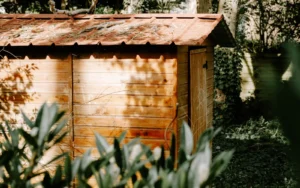 Seven resin storage sheds compared by size, wall construction, roof load, floor and door width, from vertical tool sheds to 10×12 models.
- Best Aluminum Pergolas for Patios, Decks and Gardens
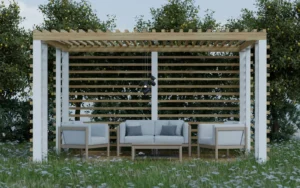 Six aluminum pergolas compared by size, roof type, wind rating and extras, with picks for sunny, windy and rainy climates.
- Best Raised Garden Beds for Seniors in 2026: For Gardening Without Bending
 Seven raised beds for older gardeners compared by height, reach, capacity and mobility, so you can garden standing or seated.
- Best Raised Garden Beds for Vegetables and Bigger Harvests
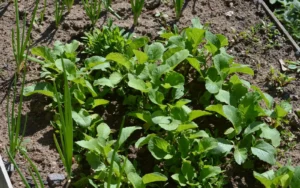 Seven raised beds for vegetables compared by depth, size, material and access, with picks for root crops, salad greens and short seasons.
- Best Metal Raised Garden Beds for Long-Lasting Gardens
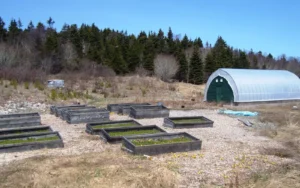 Six metal raised garden beds compared by coating, soil depth, size and shape, with picks for hot, cold and wet climates.
- Best Wood Raised Garden Beds for Vegetables and Flowers
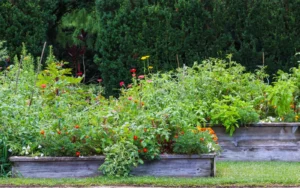 Six wood raised garden beds compared by wood type, soil depth, size and height, with picks for wet, dry and short-season climates.
- Best Lean-To Greenhouses for Walls, Decks and Patios
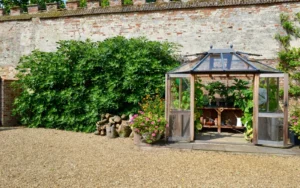 Six lean-to greenhouses compared by panels, size, ventilation and setup, with picks for every USDA climate zone.
- Best Polycarbonate Greenhouses for Year-Round Growing
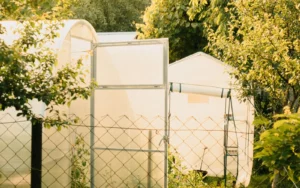 Six polycarbonate greenhouses compared by panel type, wind and snow ratings, ventilation and size, with picks for every USDA zone.
- Best Small Greenhouses for Patios and Side Yards
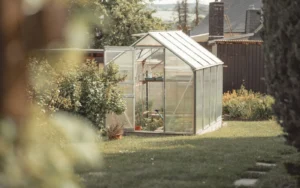 Six small greenhouses compared by footprint, panels, ventilation and owner feedback, with picks for every USDA climate zone.
- Best Greenhouse Heaters for Every Size and Climate
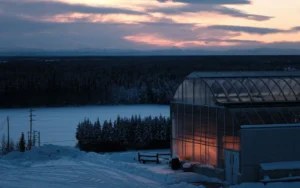 Seven electric and propane greenhouse heaters compared by heat output, coverage, thermostat control and splash protection, with picks by USDA zone.
- Best Greenhouses for Winter: Rated for Snow and Cold
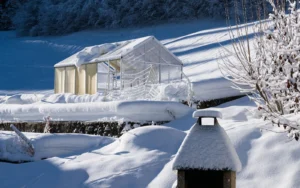 Six greenhouses built for cold climates, compared by maker snow and wind ratings, insulated panels, ventilation and built-in power.
- Best Greenhouses for Your Climate
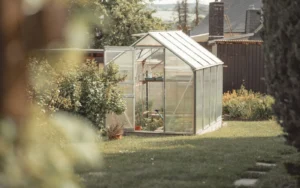 Seven backyard greenhouses compared by panel type, snow and wind ratings, ventilation and size, with a pick for every USDA climate zone.
How to Choose
- Start with your climate. Find your USDA zone, then check snow and wind ratings before size.
- Measure the site first. Leave room around greenhouses and sheds for doors, vents and maintenance.
- Match depth to crops. Most vegetables need at least 11 to 12 inches of soil; root crops more.
- Plan the base. Level ground or a frame base prevents warped doors and panels.
Find your zone on the USDA Plant Hardiness Zone Map. Read how we choose products.